


Why Summer Is Puffin Season on the Cliffs
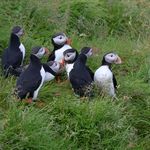
From late March through to August, the UK’s clifftops come alive with one of our most beloved seabirds: the Atlantic puffin. By June and July, colonies are at their busiest, with adults ferrying sand eels back to hungry chicks, known as pufflings. These colourful little auks—with their orange bills, black-and-white plumage, and endearing waddle—nest in burrows on grassy slopes or in rocky crevices. But their charm comes with a responsibility. Puffins are sensitive to disturbance, and a careless approach can cause them to abandon a burrow or waste precious energy. The good news is that with a little patience, a pair of binoculars, and an early start, you can enjoy them without ever getting too close.
Time Your Visit for the Quiet Hours
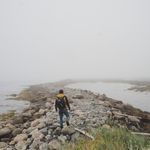
The single best thing you can do for a peaceful puffin encounter is to arrive early. First light to mid-morning—roughly 5am to 9am in midsummer—is when puffins are most active and human visitors are fewest. The low sun also makes for beautiful light on the cliffs. Alternatively, head out in the evening from about 5pm until dusk, when birds return from fishing trips. Avoid the middle of the day, especially on warm, busy weekends. Weather matters too: calm, dry days with a light breeze are ideal. Strong winds can keep puffins sheltering, whilst heavy rain sends them out to sea. Check tide times if your walk involves a causeway or a low-tide crossing, and always tell someone where you are going.
Choosing a Quiet Observation Point
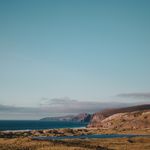
Not all clifftop paths are equal. Look for a spot with a natural bend, a promontory, or a designated viewing area that keeps you back from the edge. The best observation points are often slightly elevated and set back from the burrows, giving you a clear line of sight without looming over the birds. Stay on marked footpaths—trampling can collapse burrows—and keep dogs on a short lead. If you find a place where puffins are already looking nervous, move on quietly. A good rule of thumb is to keep at least five to ten metres between you and any burrow entrance. Use a wall, a rock, or a bank as cover, and keep your profile low. Never sit directly above a colony.
The Right Kit for Close Views Without Disturbance
A decent pair of binoculars is your most important piece of kit. Look for 8x42 or 10x42 magnification: they are light enough to carry all day and bright enough for early mornings. A spotting scope on a tripod is even better for distant cliffs, but only if you can set it up without blocking the path. Wear neutral, dull colours—bright reds and blues can alarm seabirds. Pack a windproof jacket, sun cream, water, and a notebook for recording what you see. If you photograph, use a long lens and never a flash. And remember: the best views are the ones that leave the puffins undisturbed.
Reading Puffin Behaviour
Puffins tell you when you are too close. Watch for these signs of stress:
- Birds suddenly stop preening or feeding and stand upright, looking towards you.
- They walk or shuffle away from the cliff edge.
- They take flight in a panic, especially in a group.
- They circle overhead without landing, or call repeatedly.
If you see any of these, stop, back away slowly, and give them space. Often, they will settle again within a few minutes. Patience is everything. Sit quietly at a distance and let the colony come back to its natural rhythm. You will see far more—courting, bill-rubbing, and the comical landings—if you are still and silent. Never use playback calls or drones, both of which cause serious disturbance.
Coastal Living on Island Time
After your walk, embrace the slower pace of island life. Many UK islands—from the Shetlands and Orkney to Skomer, Lundy, and the Farne Islands—have welcoming cafés, harbours, and community shops where you can chat about your sightings. Support local businesses, take all litter home, and respect the people who live and work alongside these seabird cities. The puffin season is short, and the birds’ return each spring is a reminder of how fragile our coasts can be. Walk softly, look closely, and let the cliffs keep their secrets. You will come away with salt in your hair, a quiet heart, and perhaps a new favourite bird.



John Doe
14 January, 2022Having no content in post should have adverse..
Chauffina Carr
10 April, 2022We use these tests all time! Killer stuff!
Jim Séchen
16 July, 2022Thanks for all the comments, everyone!