

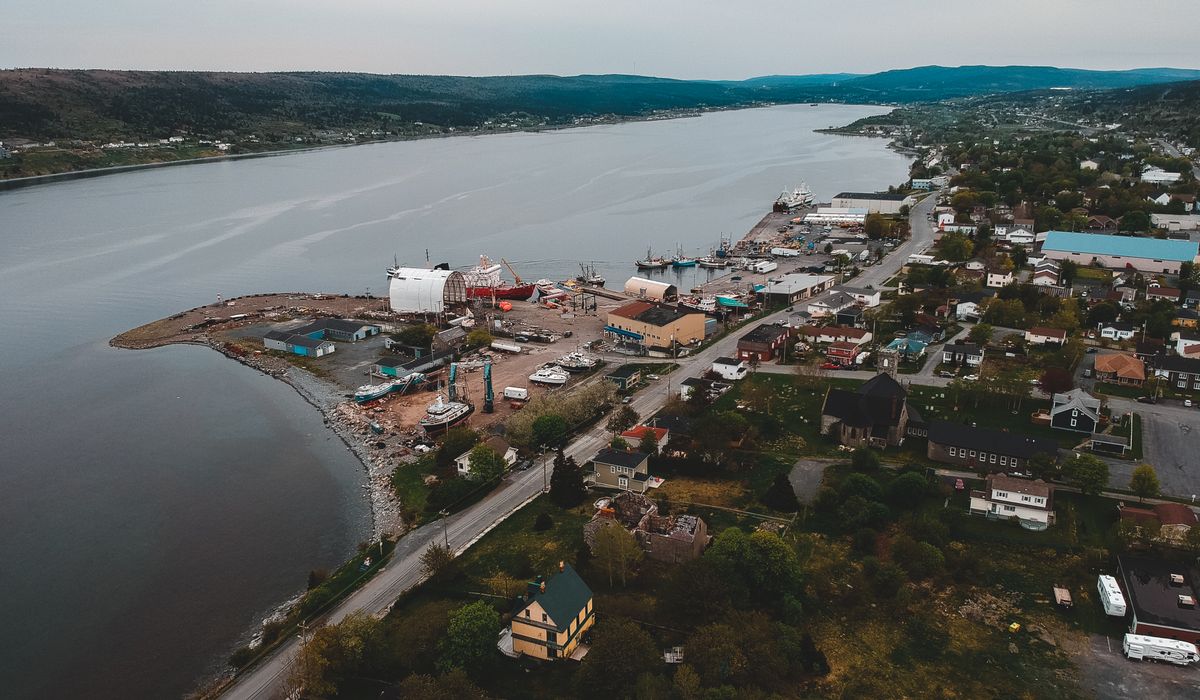
Why Tidal Pools Reward a Little Planning
There is a particular pleasure in swimming in a pool the sea has made and will take away again. Tidal pools and lagoons form where rock ledges, boulders or sandbars trap water as the tide retreats, leaving behind a temporary basin that warms in the sun and clears as the sediment settles. Along the west coast of Scotland, around the Pembrokeshire shore, and in the coves of Cornwall and Northumberland, these pools range from ankle-deep paddling spots to deep, gin-clear basins that feel like a private lido.
They are, however, entirely on the sea's terms. A pool that is perfect at nine in the morning may be a boiling channel by noon, and one that looked inviting yesterday may simply not be there today. Treat every visit as a small expedition and you will get far more out of it.
Reading the Tide Before You Dip
The single most useful habit is to plan around low tide. Pools fill and empty on a schedule, and the best window is usually the two hours either side of low water, when the pool holds its full depth and the surrounding rock is at its most accessible. Check a tide table for the precise location rather than a nearby harbour, and note whether you are dealing with a spring or neap tide.
- Spring tides expose the widest range of rock and reveal pools that neaps never uncover, but they also drain and refill faster.
- Neap tides tend to leave more water in place and offer gentler conditions, though some pools may not fully empty and can stay murkier.
- Wind matters too. An onshore breeze can push swell over a low ledge and turn a calm pool into a washing machine in minutes.
- Give yourself a buffer. Aim to be out of the water and off the rocks at least an hour before the tide turns back, especially on unfamiliar ground.
Footwear and the Kit That Actually Works
Bare feet are a poor idea on British rocky shores. Barnacle clusters, limpets, sharp shell fragments and hidden weed make every step a negotiation. Sturdy, closed-toe footwear with a grippy sole is the minimum; many regular pool swimmers use old trainers or purpose-made rock shoes, and add neoprene socks for warmth and protection.
- A wetsuit extends your swim dramatically — even in high summer, UK pool water rarely climbs much above 16°C.
- A tow float makes you visible and gives you something to rest on.
- A dry bag for phone, keys and a warm layer.
- A small first-aid kit with antiseptic wipes and a few plasters. Cuts from rock are common, and salt water is not a disinfectant.
Know Your Pool: Depth, Entry and Exit
Before you swim, walk the pool's edge and find the easiest way in and out. Slippery, algae-covered ramps are the usual culprit for twisted ankles and cracked shins. Check the depth with a stick or by wading carefully — a pool that looks a metre deep may drop to three in the middle. Look for submerged hazards: sea urchins in the west, weever fish in sandy shallows, and loose boulders that shift underfoot.
Note the direction of any current. Even a shallow lagoon can have a channel running through it as the tide drains, and what feels like a gentle flow can strengthen quickly as the water level falls. If you are swimming with children, stay within arm's reach and choose a pool with a shallow shelf and no through-flow.
Leave No Trace on the Shoreline
Tidal pools are fragile, slow-recovering habitats. Everything from the encrusting pink coralline algae to the small fish and crabs sheltering in the weed is part of a community that has taken years to establish.
- Take everything home. Nothing left on the rocks, nothing buried in the sand.
- Do not move rocks or prise off limpets to make a seat or a lookout.
- Avoid sunscreen, insect repellent and soap before you swim; these chemicals linger in still, enclosed water.
- Keep dogs out of pools with obvious marine life, and rinse your kit well away from the pool itself.
Safety Basics for Cold, Moving Water
Cold shock is the real risk. Enter slowly, breathe steadily, and give yourself a minute to adjust before striking out. Never swim alone, tell someone where you are going and when you expect to be back, and have a warm dry layer and a hot drink waiting. Check the forecast for rain — heavy rainfall can make rock ledges treacherous underfoot and reduce water quality near outfalls.
If in doubt, watch a pool for a full tidal cycle before committing to it. The sea will always make another one; the trick is to be there at the right hour, with the right shoes, and to leave it exactly as you found it.





John Doe
14 January, 2022Having no content in post should have adverse..
Chauffina Carr
10 April, 2022We use these tests all time! Killer stuff!
Jim Séchen
16 July, 2022Thanks for all the comments, everyone!